
BRR
Buy, refurb, refinance: model the deal before you bid
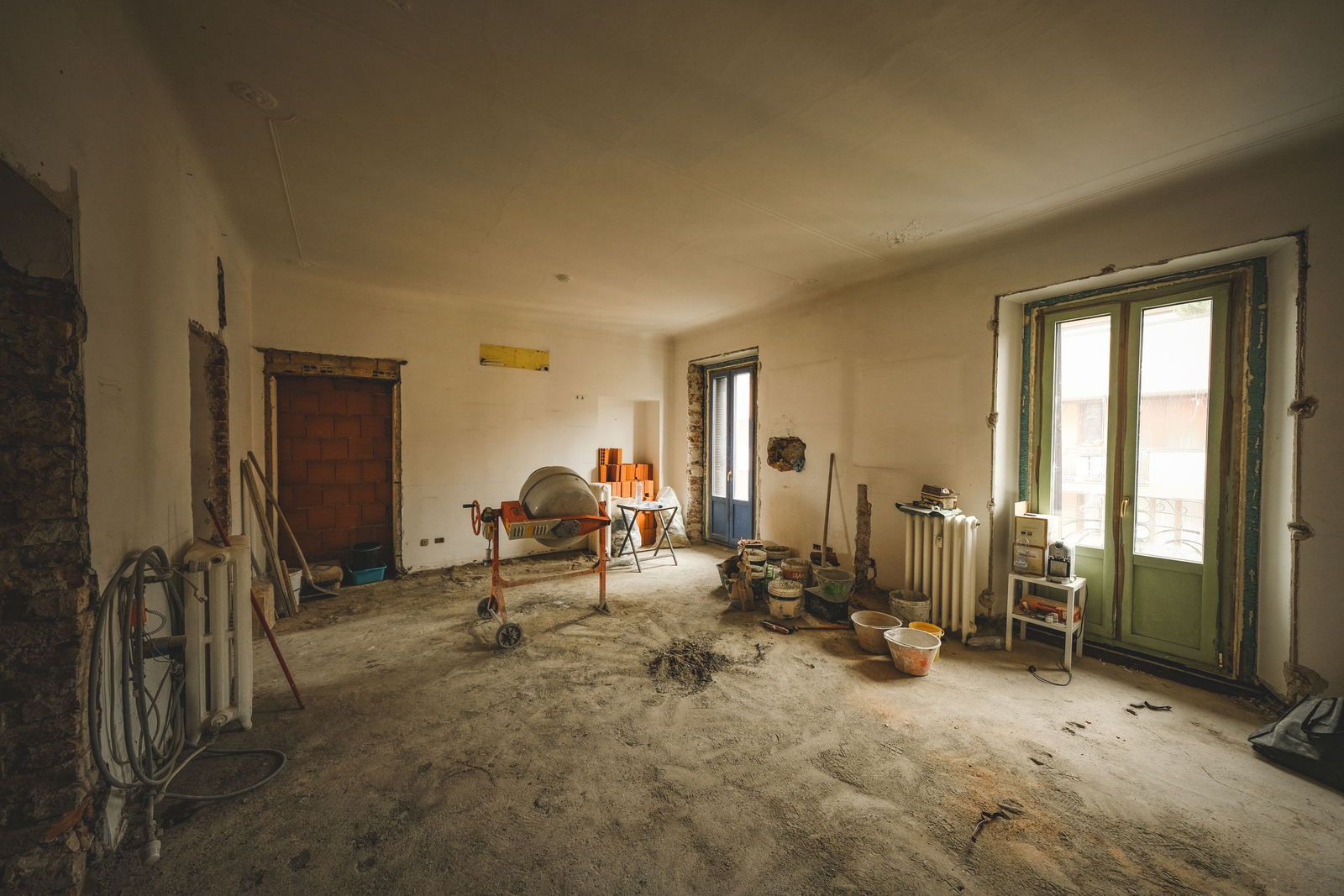
Buy-refurb-refinance only works if three numbers fit together: the bridge that completes the purchase, the cash (or drawdown) that pays for the works, and the mortgage that takes you out. Auction lots do not give you a pause between those steps. Model them before you bid.
The three parts are one deal
Buy. Auction completion is often around 28 days. The bridge is sized against the lender’s accepted valuation and maximum loan-to-value — not automatically against the hammer price. In suitable cases, lenders may advance up to 85% net on day one. Where a property is being bought genuinely below market value, the facility can sometimes cover up to 100% of the purchase price while remaining within that LTV cap. That is not standard and it is not a 100% LTV. You still need cleared funds for the auction deposit on the day unless separately arranged, plus fees and any works you are not drawing. See how much cash you need and funding a 28-day purchase.
Refurb. Works duration is not the same as the bridge term. Interest usually runs for the whole facility term, not only the months on site. Contingency and professional fees are real cash unless you draw them on the bridge. A 10% contingency on the build cost is a planning figure, not a promise the job will land there.
Refinance. The exit mortgage is limited by GDV and the lender’s LTV, not by what you hope to get back. If the advance after fees does not clear the bridge redemption, you leave more cash in — or you do not have an exit.
What to put in the model
- Purchase, bridge LTV, monthly interest, term, arrangement and exit fees.
- SDLT and purchase fees.
- Refurb cost, months on site, professional fees, contingency. Toggle whether works sit on the facility.
- GDV, refinance LTV, rate, term, fees and expected rent. Interest-only or repayment.
The deal calculator is built for that sequence. It will show cash invested, cash released, whether the refinance clears the bridge, ROI and a simple monthly cashflow. Figures are indicative, not a quote.
When the model still works at a price you will actually stop at, get terms agreed before you bid.
Questions
Can the purchase facility cover the whole hammer price?
Sometimes, on a genuine below-market-value lot, because the advance is still inside the lender’s maximum loan-to-value against its accepted valuation. Auction and refurbishment facilities can also be up to 85% net on day one in suitable cases. Neither is guaranteed. Works, contingency and fees still have to be paid from cash or drawn on the facility.
Should works be on the bridge or paid in cash?
Cash keeps the facility smaller and the interest lower. Drawing works on the bridge reduces cash you must find now and increases the loan and the redemption. The calculator has a toggle so you can see both.
What if the refinance does not clear the bridge?
You need more cash left in, a lower purchase price, a cheaper refurb, a higher GDV you can defend, or a different exit. Do not bid hoping the valuer will rescue the sheet.
Is this financial advice?
No. The guide and the calculator are a model. Terms, if any, come after an enquiry. Property Money Limited operates the site. Some bridging and auction finance may not be regulated by the FCA.
If you already have a lot price and a GDV, run the model. Then send the deal if the exit still stands.